





12 Tips for Safe E-Bike Riding
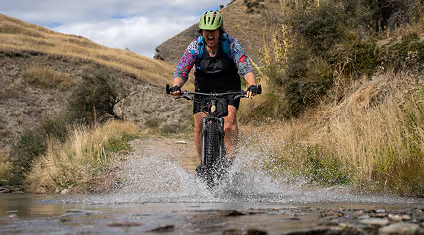
- Choose an E-bike that is suitable for the terrain and your style of riding. For example, an urban commuter E-bike with slick narrow tyres may not be suitable for gravel trails or more technical terrain.
- E-bikes are heavier than regular bikes and require more muscle to handle. Take care when lifting, mounting, or dismounting the bike as this is often when injuries occur, particularly for older and younger riders.
- Learn how to operate your E-bike and have it properly fitted for comfort and safety. Familiarise yourself with the controls and features of the bike, including the motor and battery.
- Take a test ride in a safe area to get comfortable with the bike's operation. If you haven’t ridden a bike for a while, pick an easy grade 1 trail to help build your skills and confidence before tackling more technical trails.
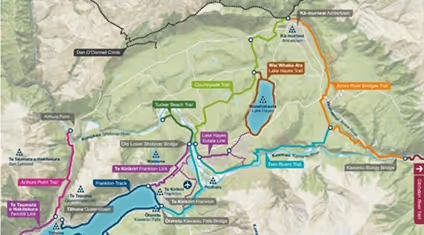
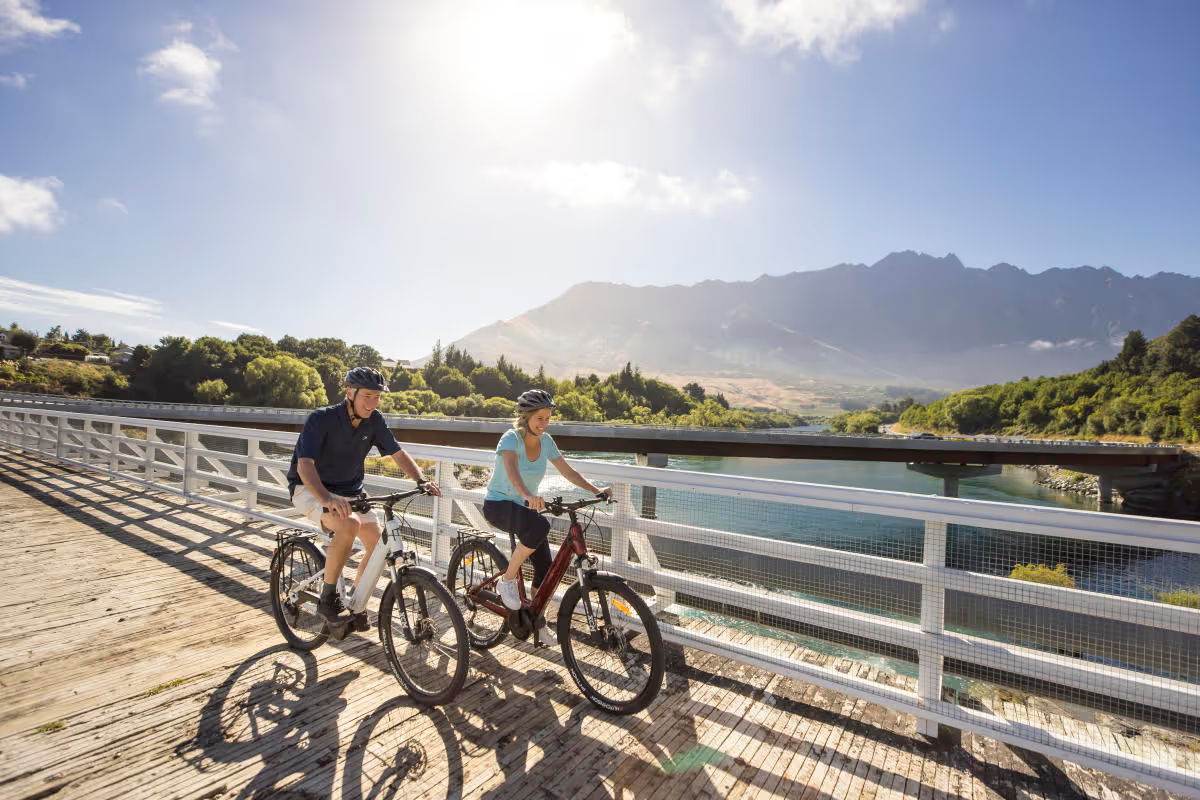
Tip: the Otago Central Rail Trail, Clutha Gold Trail or Arrow River Bridges Trail in Queenstown are ideal for beginners and learning to handle an E-bike.
- Use the pedal-assist mode and adjust the level of assistance to match your riding needs, terrain and fitness level.
Remember: riding in “turbo” will drain the battery more quickly than in “eco” modes.
- Monitor the battery level and plan your ride accordingly to avoid running the battery too low. Keep in mind that environmental factors will change your battery use on any given day e.g., wind, trail surface (gravel vs. tarmac), trail surface hardness (wet gravel vs. dry) and gradient. If your battery does run flat, don’t panic! E-bikes can be ridden without the motor, they’re just heavy and hard work to pedal and push uphill.

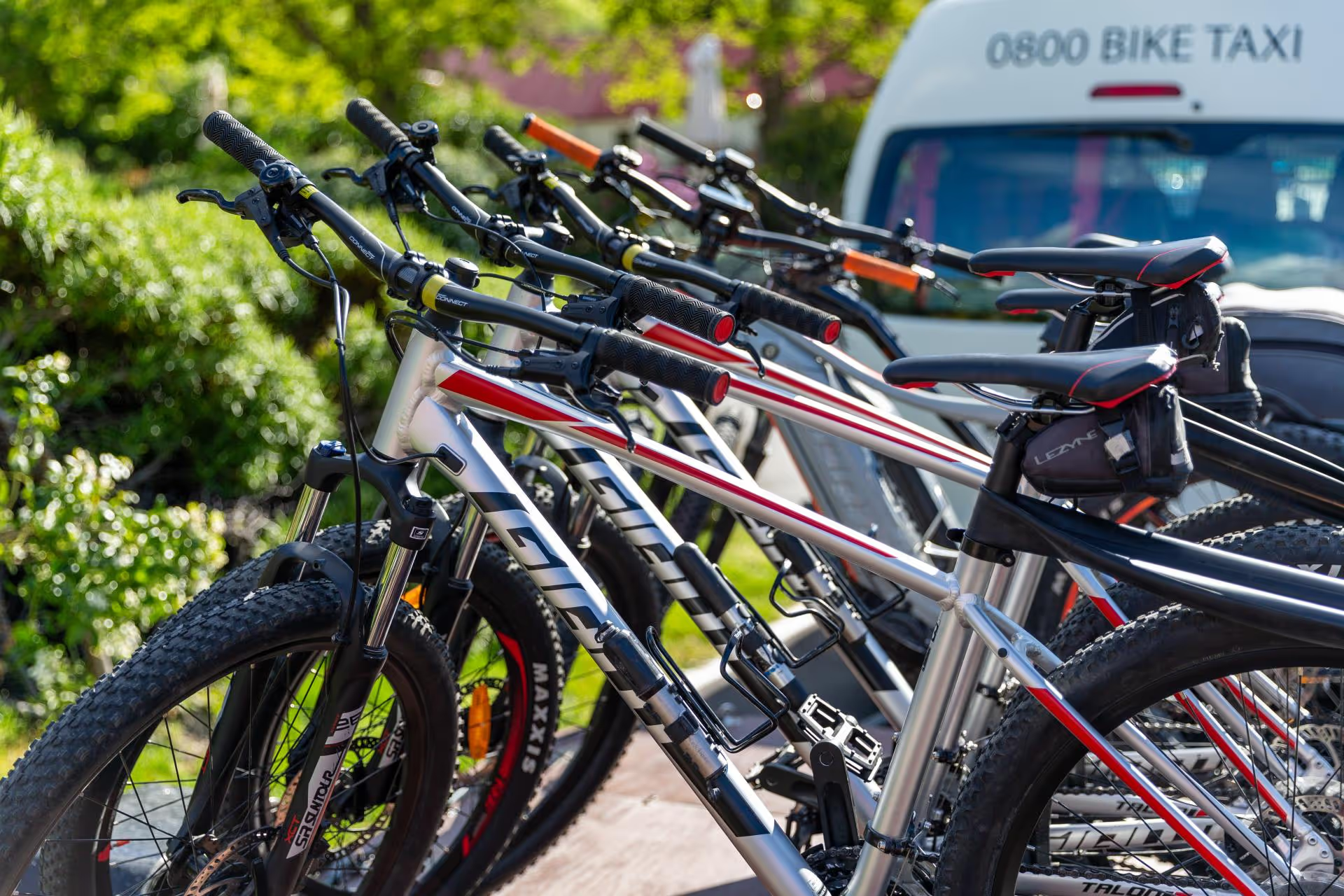
E-bikes come in various styles with different geometry suited to different terrain and riding styles.
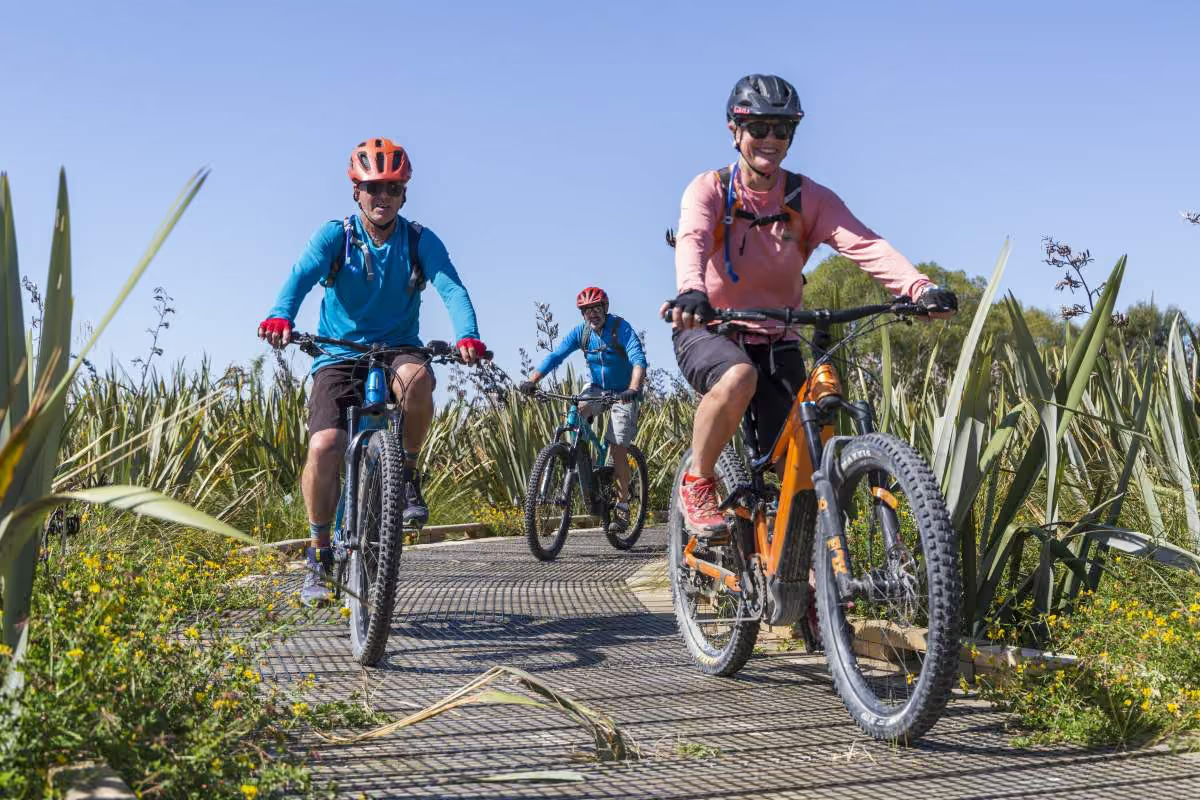
Styles range from step-through frames (L) to full suspension mountain bikes (R).
- Use the gears to adjust your pedaling effort and speed just like on a standard bike – do not only rely on using the various pedal assist settings. When starting off at an intersection or uphill, use a low gear. You’ll need to start pedaling before the assistance kicks in, so be prepared for the surge in power and acceleration.
- Brake carefully and gradually, as E-bikes are heavier than regular bikes and stopping distances may be longer than with a traditional bike. So, anticipate obstacles and keep a safe following distance between other riders.
- Stay balanced and maintain a proper riding posture for control and stability.
- As you may be going faster with the assistance of a motor, you’ll need to learn how to handle corners differently compared to a standard bike and avoid accelerating too fast in to and out of corners. Ring your bell or call out when approaching a sharp corner to warn others of your approach.
- Avoid overloading the E-bike with too much weight or cargo, especially for multi-day trips or bike-packing. Be aware that wearing a backpack can sometimes throw you off balance.
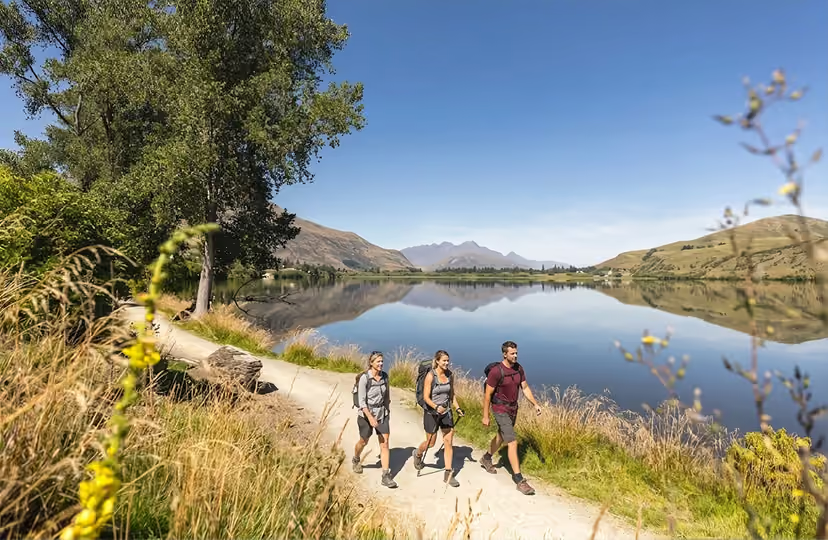
- Always wear a helmet, follow the rules of the road, and take time to learn about cycle etiquette to respect other trail users. The Otago trails are all shared trails are for both cyclists and walkers so slow down, take it easy and enjoy the ride!
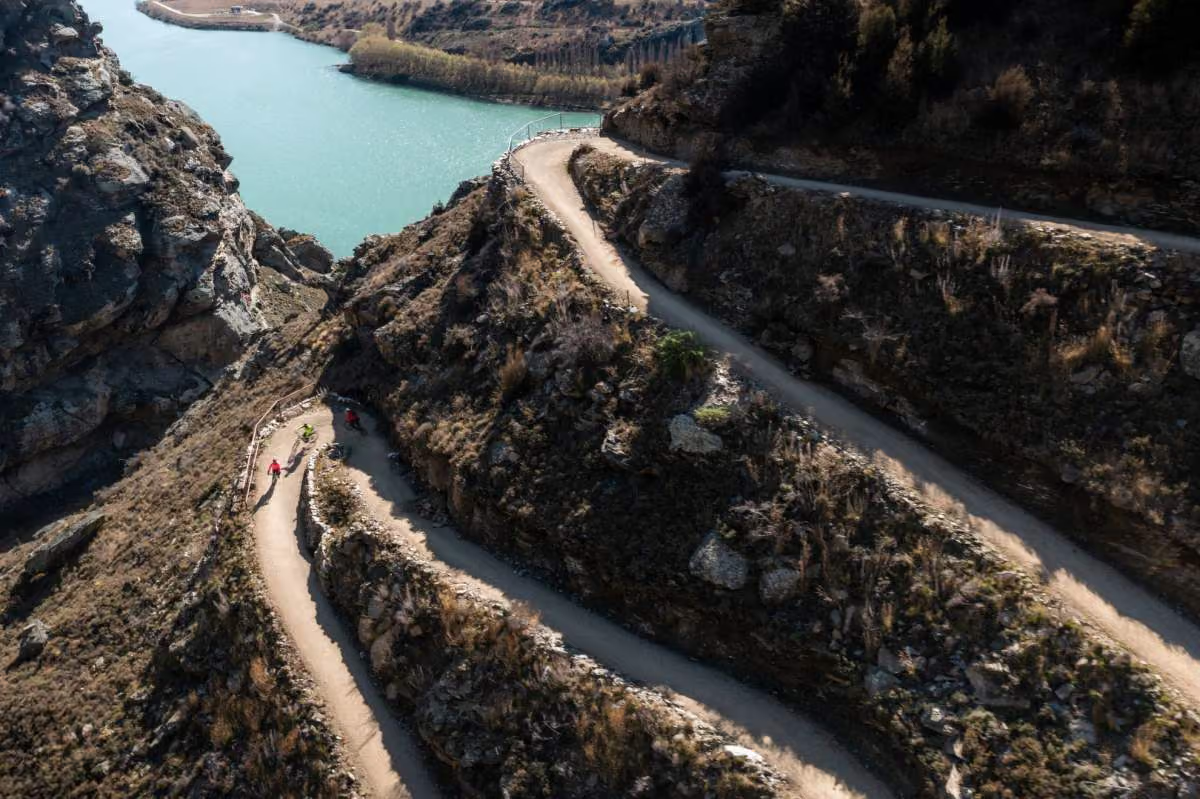
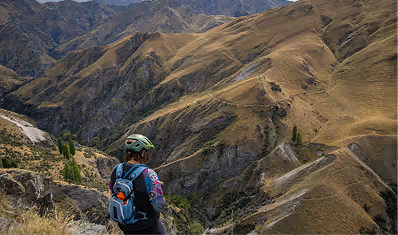
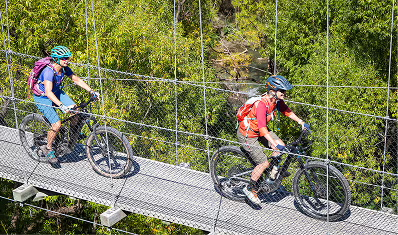
Mastering steep ascents, descents and sharp, switchback corners takes practice on an E-bike (Photo: Cairnmuir Ladder, Lake Dunstan Trail)
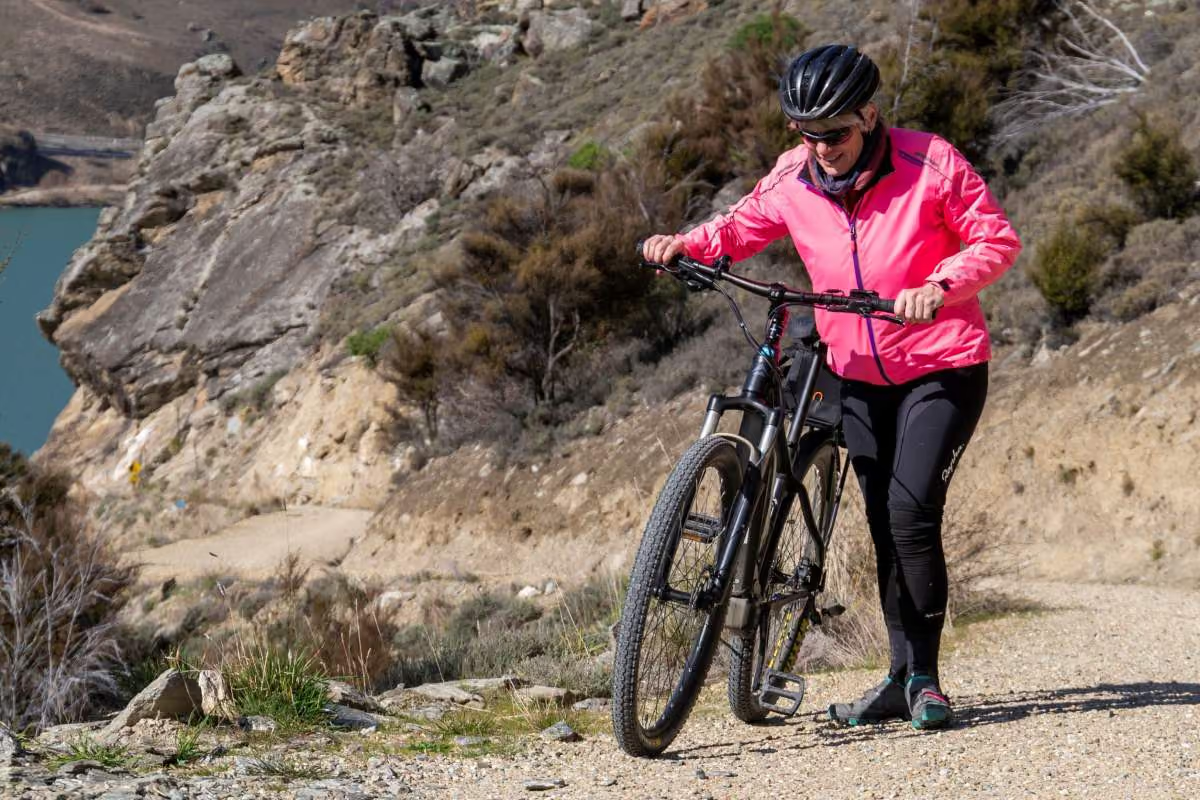
Economical use of your battery on longer rides is essential to avoid pushing your E-bike uphill with a flat battery!